Source Double Wall Insulated Glass Cup for Daily Use, Office, and Events
Explore 30 listings for the double wall insulated glass cup, featuring capacities from 150ml to 400ml and various certifications like FDA and LFGB. Buyers can compare customization options, handle strengths, and packing details across multiple models to find the right supplier.
Key considerations
Products List




Comprehensive Sourcing Guide
Double Wall Insulated Glass Cup Sourcing Guide
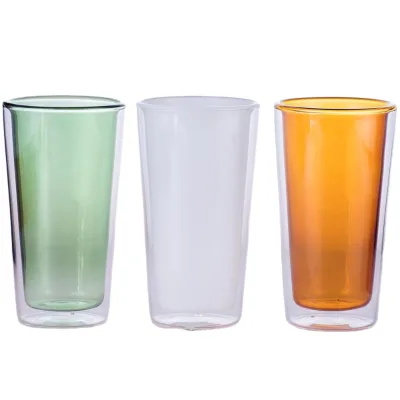
Procuring double wall insulated glass cups requires distinguishing between hollow glass structures and standard single-wall vessels. The observed market data indicates a specific focus on high borosilicate glass materials designed for thermal insulation, often featuring a double-layer construction that prevents heat transfer to the exterior. Buyers must verify that the "hollow" or "double-wall" designation corresponds to the actual physical separation of glass layers, as this is the primary mechanism for maintaining beverage temperature while ensuring safety during handling.
Sourcing decisions should also account for the diverse capacity range observed in listings, which spans from 150ml to 400ml units. This variation suggests that suppliers cater to different usage scenarios, from small espresso servings to larger daily use applications. When evaluating potential partners, it is critical to confirm that the specific model selected matches the intended capacity and that the structural integrity of the double wall is maintained across the entire volume range, ensuring consistent performance regardless of the liquid volume filled.
Product Scope and Observed Listing Signals
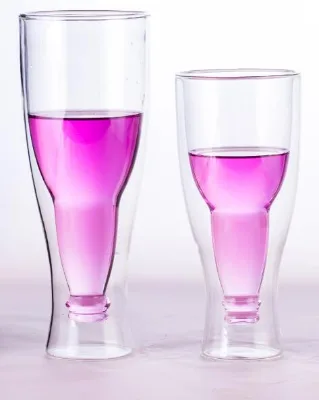
The product scope for double wall insulated glass cups includes a variety of shapes, ranging from cylindrical to irregular forms, with some models featuring handles for enhanced usability. Listings indicate that customization is widely available, allowing buyers to request specific logos or surface treatments like screen printing. This flexibility supports branding initiatives, but buyers must ensure that the customization process does not compromise the thermal properties or structural strength of the glass, particularly when dealing with complex shapes that may require new mold openings.
Observed listing signals reveal a significant variation in packaging standards, with some units packed individually in boxes while others are consolidated into master cartons with specific dimensions. The presence of handle strength specifications, such as the ability to withstand a 5kg pull without deformation, serves as a key indicator of build quality. Buyers should scrutinize these physical attributes to ensure that the cups can withstand the rigors of daily use and shipping, as the presence of a handle adds a critical functional element that must be securely integrated into the double-wall design.
Technical Specifications to Verify
Technical verification must begin with the material composition, specifically confirming the use of high borosilicate glass which offers superior thermal shock resistance compared to standard soda-lime glass. The double-layer structure is essential for insulation, and buyers should request detailed diagrams or samples to confirm the air gap dimensions that facilitate heat retention. Additionally, the surface treatment should be clear to maintain aesthetic appeal, and the glass type must be explicitly identified as hollow or double-wall to distinguish it from single-layer alternatives that lack insulation capabilities.
Capacity and dimensional consistency are equally critical, as observed models range from 10 oz to 400ml with varying external dimensions. Buyers need to verify that the stated capacity aligns with the internal volume of the double-wall structure, as the glass thickness can reduce usable liquid space. Furthermore, the shape of the cup, whether cylindrical or irregular, must be compatible with the intended application, such as office use or daily consumption, ensuring that the design does not hinder stacking, storage, or ergonomic handling during regular service.
Compliance and Safety Documentation
Compliance documentation is a non-negotiable aspect of sourcing, with certifications such as REACH, LFGB, and FDA frequently cited for glass products intended for food contact. These standards ensure that the materials used in the double wall construction do not leach harmful substances into beverages, particularly when hot liquids are involved. Buyers must request valid, up-to-date certificates for each specific model, as the presence of one certification does not automatically validate the safety of all variations within a supplier's catalog, especially when different molds or surface treatments are employed.
Safety verification also extends to the structural integrity of the handles and the overall stability of the cup under load. The observed specification of no deformation under a 5kg pull provides a benchmark for mechanical strength, but this should be corroborated by independent test reports. Additionally, the surface treatment and any applied logos must be non-toxic and durable, ensuring that the decorative elements do not degrade or flake off during washing or use, which could pose a contamination risk to the consumer.
Cost Drivers and Commercial Terms
Cost drivers for double wall insulated glass cups are heavily influenced by the complexity of the mold, the material grade, and the volume of customization required. Special shapes and sizes often necessitate opening new molds, which significantly increases the initial investment and unit cost. Buyers should anticipate higher prices for irregular shapes or custom logos compared to standard cylindrical models, as the production process for these unique items involves more labor and specialized tooling that impacts the overall pricing structure.
Commercial terms and minimum order quantities (MOQ) vary widely, with observed ranges spanning from 2 to 3000 pieces depending on the supplier and product complexity. Trade terms such as FOB, CIF, and EXW are common, and buyers must calculate the total landed cost by factoring in shipping, insurance, and potential tariffs. Understanding the delivery lead time, which can range from 10 to 15 days, is essential for inventory planning, as delays in production or shipping can disrupt supply chains, particularly for orders requiring custom molds or specific certifications.
Supplier Qualification and Quality Control
Supplier qualification should focus on production capacity and consistency, with observed monthly outputs ranging from 5000 to 50000 pieces. A supplier capable of sustaining high-volume production while maintaining the strict tolerances required for double-wall glass structures is preferable. Buyers should verify that the supplier has a robust quality control system in place to inspect every unit for defects such as air bubbles, uneven wall thickness, or handle instability, ensuring that the final product meets the specified standards before shipment.
Quality control protocols must also address the customization process, as screen printing and logo application can introduce variability in the final product. Suppliers should demonstrate their ability to maintain color consistency and adhesion of printed designs across large batches. Additionally, the packaging process must be rigorous to prevent breakage during transit, with master cartons designed to protect the fragile glass cups. Buyers should request a sample batch for inspection to validate the supplier's ability to meet these quality benchmarks before committing to a larger order.
Long-Term Procurement Checks
Long-term procurement success relies on establishing a reliable supply chain that can adapt to changing market demands and volume fluctuations. Buyers should maintain open communication with suppliers regarding production schedules and potential delays, ensuring that lead times remain consistent over time. Regular audits of the supplier's facilities and quality control processes can help identify any deviations in standards early, allowing for corrective actions before they impact the final product quality or delivery schedule.
Sustainability and material sourcing should also be monitored as part of a long-term strategy, ensuring that the high borosilicate glass and other materials are sourced responsibly. Buyers should verify that the supplier adheres to environmental regulations and maintains a stable supply of raw materials to prevent production interruptions. By fostering a collaborative relationship with suppliers and continuously evaluating performance against key metrics, buyers can secure a steady supply of high-quality double wall insulated glass cups that meet their operational and safety requirements.
FAQs
What materials are used for double wall insulated glass cups?
These cups are typically made from high borosilicate glass, which provides excellent thermal shock resistance and durability. The double-layer structure creates an air gap that insulates heat, keeping drinks hot or cold for longer periods. This material choice ensures safety and longevity for daily use applications.
Can I customize the logo on these glass cups?
Yes, customizable logos are supported for these products. Manufacturers often offer screen printing techniques to apply branding directly onto the clear glass surface. This allows businesses to add unique designs or corporate identities, making the cups suitable for promotional gifts or branded office supplies.
What certifications do these glass cups typically hold?
These cups commonly hold REACH, LFGB, and FDA certifications, ensuring they meet strict safety standards for food contact. Some models may also include ROHS certification. These credentials verify that the materials are non-toxic and safe for daily drinking, providing assurance for both consumers and retailers.
What is the typical MOQ for ordering these cups?
The minimum order quantity varies, with observed ranges starting from 2 units up to 3000 pieces. Specific models may require higher MOQs, such as 2000 pieces, depending on the customization level and production capacity. Buyers should check specific product listings for exact quantity requirements to plan their orders effectively.
How long is the delivery time for these orders?
The standard delivery date is typically 10 to 15 days after order confirmation. This lead time allows for production and quality checks before shipment. Buyers should consider this timeframe when planning inventory, especially for bulk orders or customized designs that may require additional processing time.
What capacities are available for these double wall cups?
Available capacities include 150ml, 250ml, 300ml, and 400ml options. Some models are also listed in ounces, such as 10 oz. These varied sizes cater to different beverage preferences, from small espresso servings to larger water or juice portions, ensuring versatility for various daily use scenarios.